Source Vapour Permeable Waterproof Fabric for bags, tents, and apparel
Compare 30 listings of Vapour Permeable Waterproof Fabric suitable for bags, tents, and apparel. Buyers can evaluate customization options, performance features like water proof and fire resistant properties, and pricing details across multiple suppliers.
Key considerations
Products List


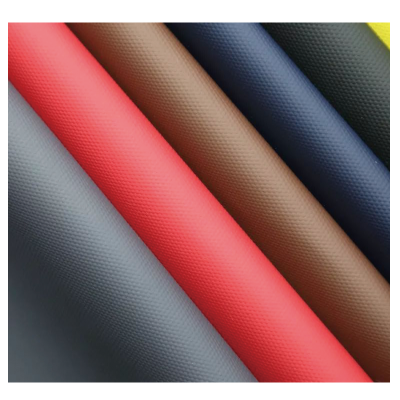


Non-Woven Fabric Roof Underlayment Waterproof Membrane Vapor Permeable House Wrap
$0.18 - $0.24
MOQ: 100000 Rolls


Waterproof and Breathable Roofing Membrane Vapor Barrier Breathable Membrane
$0.18 - $0.24
MOQ: 10000 Rolls


Waterproof Vapor-Permeable PP/PE Fabric with UV Resistance for Roofs
$0.20 - $0.60
MOQ: 10000 Square Meters

Vapor Permeable Diffusion Membrane Nonwoven Waterproof Building Underlayment Material
$0.20 - $0.60
MOQ: 10000 Square Meters


Outdoor Sports Three Layers Softshell Watertight Functional Garment Fabrics
$3.50 - $5.00
MOQ: 500 Yards

Comprehensive Sourcing Guide
Vapour Permeable Waterproof Fabric Sourcing Guide
Selecting the right Vapour Permeable Waterproof Fabric requires a careful balance between moisture management, durability, and cost efficiency. Buyers must distinguish between fabrics that simply repel water and those that actively allow water vapor to escape, a critical distinction for applications ranging from high-performance outdoor apparel to industrial protective gear. The sourcing landscape is diverse, with suppliers offering a wide array of material compositions, from traditional coated textiles to advanced synthetic blends. Understanding the specific technical requirements of your end product is the first step in narrowing down the vast selection of available options.
This guide provides a structured approach to evaluating suppliers and products based on observed market signals and standard industry practices. It focuses on verifying technical specifications, ensuring compliance with safety standards, and managing commercial risks. By adhering to these procurement principles, buyers can mitigate the risk of receiving materials that fail under stress or do not meet the functional requirements of the final application. The following sections detail the key areas of focus for a successful sourcing strategy.
Product Scope and Observed Listing Signals
The current market offers a broad spectrum of waterproof and water-resistant fabrics, with observed price points ranging from $0.16 to $13 per unit. This wide variance reflects differences in material composition, coating technologies, and order volumes. Minimum Order Quantities (MOQs) are equally flexible, ranging from small trial orders of 1 unit to large industrial batches of 100,000 units. Buyers should align their order size with their production capacity and inventory strategy, keeping in mind that higher volumes often unlock better pricing tiers but increase storage and capital tie-up costs.
Product listings frequently highlight specific attributes such as abrasion resistance, fire resistance, and water proofing capabilities. For instance, some suppliers offer Blue Oxford Fabric and Green Oxford Fabric, often customizable in terms of yarn count and weight. These fabrics are commonly used in bags, tents, and home textiles. Additionally, specialized materials like Cordura Fabric and Colorful Fabric are available for applications requiring enhanced durability or aesthetic flexibility. Buyers must verify that the listed characteristics, such as "Water Proof" or "Fire Resistant," are supported by actual test data rather than just marketing claims.
Technical Specifications to Verify
Technical verification begins with understanding the fabric's construction and performance metrics. Key attributes to confirm include yarn count, weight, and weave type. For example, some listings specify yarn counts such as 400d, 900d, or 900*900D, which directly impact the fabric's strength and breathability. The weave type, whether plain woven or otherwise, also plays a crucial role in the fabric's overall integrity. Buyers should request detailed specification sheets that outline these parameters to ensure the material meets the mechanical demands of the intended use, whether it be for loungewear, blazers, or heavy-duty outdoor gear.
Surface treatments and coatings are another critical area of verification. Some fabrics are silicon coated or feature specific patterns to enhance water repellency or aesthetic appeal. For applications requiring alkali resistance, such as wall or roof covering cloths, E-Glass fiberglass with an alkali-free composition may be necessary. Additionally, stretch levels, such as firm stretch in nylon/spandex blends, are important for garments requiring mobility. Buyers must ensure that the chosen fabric's stretch recovery and dimensional stability align with the design requirements of the final product to prevent deformation after washing or wear.
Compliance and Safety Documentation
Compliance with international standards is essential for market access and consumer safety. Buyers should verify that suppliers hold relevant certifications, such as ISO certification, which indicates adherence to quality management systems. For fabrics used in apparel, compliance with flammability standards is critical, especially if the product is marketed as fire-resistant. Buyers must request copies of test reports from accredited laboratories to confirm that the fabric meets the specific safety regulations of the target market, whether it be the European Union, North America, or Asia.
Environmental and chemical compliance is also a growing concern in the textile industry. Buyers should inquire about the presence of harmful substances such as PFAS, phthalates, or heavy metals in the coatings and dyes. Some suppliers may offer eco-friendly alternatives or certifications related to sustainable manufacturing processes. It is advisable to establish clear communication with suppliers regarding their chemical management policies and to include compliance clauses in purchase agreements to protect against regulatory risks and reputational damage.
Cost Drivers and Commercial Terms
Several factors influence the final cost of Vapour Permeable Waterproof Fabric. Material composition is a primary driver, with specialized fibers like Cordura or high-denier Oxford cloth typically commanding higher prices than standard polyester or cotton blends. Coating technologies also affect cost, as advanced waterproof-breathable membranes or multi-layer laminates are more expensive to produce than simple surface coatings. Buyers should analyze the cost breakdown to understand where value is added and whether premium features are necessary for their specific application.
Commercial terms, including payment methods, shipping arrangements, and lead times, significantly impact the total cost of ownership. Suppliers may offer different packing options, such as rolls or boxes, which can affect shipping efficiency and storage requirements. Lead times can vary based on customization needs, with standard in-stock items available for quicker delivery compared to custom-ordered fabrics. Buyers should negotiate clear terms regarding delays, quality disputes, and return policies to minimize financial risk and ensure supply chain reliability.
Supplier Qualification and Quality Control
Supplier qualification involves assessing the manufacturer's production capabilities, quality control processes, and track record. Buyers should verify the supplier's origin, with many manufacturers located in regions like Zhejiang, China, known for textile production. It is important to conduct site audits or request third-party inspection reports to evaluate the factory's equipment, workforce training, and quality assurance protocols. Suppliers that offer customization services, such as logo printing or specific color matching, should demonstrate robust processes to maintain consistency across large orders.
Quality control measures should be integrated into the procurement process from the outset. Buyers should define clear acceptance criteria for defects, such as color variation, coating irregularities, or dimensional inaccuracies. Implementing pre-shipment inspections can help identify issues before goods leave the factory, reducing the risk of receiving non-conforming products. Establishing a strong relationship with the supplier through regular communication and feedback loops can also help improve quality over time and ensure that any issues are addressed promptly and effectively.
Long-Term Procurement Checks
Long-term procurement success depends on continuous monitoring of supplier performance and market trends. Buyers should regularly review supplier metrics, including on-time delivery rates, defect rates, and responsiveness to issues. Building a diversified supplier base can mitigate risks associated with single-source dependencies, ensuring continuity of supply in case of disruptions. Additionally, staying informed about advancements in fabric technology, such as new waterproof-breathable membranes or sustainable materials, can provide competitive advantages and open up new product opportunities.
Sustainability and ethical sourcing are increasingly important considerations for long-term procurement strategies. Buyers should evaluate suppliers' commitments to environmental stewardship and social responsibility, including labor practices and waste management. Incorporating these factors into supplier selection criteria can enhance brand reputation and align with consumer expectations. By maintaining a proactive approach to supplier management and market analysis, buyers can ensure a resilient and responsible supply chain that supports their business goals over the long term.
FAQs
What is the standard packing method for this fabric?
The fabric is typically packed in rolls, though box packing is also available for specific items. Some products allow packing at the customer's request to meet logistical needs. This flexibility ensures safe transport and storage for various inventory requirements.
Can the fabric be customized for specific projects?
Yes, customization is available for this fabric. Buyers can request specific yarn counts, such as 400d or 900d, and adjust the weight to suit their application. The standard and color can also be tailored, allowing for precise material selection for diverse end uses.
What are the key performance characteristics of this material?
This fabric offers water proof performance and abrasion resistance for durability. It also features fire resistant properties and anti-bacterial characteristics in certain variants. These attributes make it suitable for demanding applications like outdoor gear, home textiles, and protective apparel requiring high safety standards.
Which certifications are associated with the manufacturing process?
The product holds ISO certification, indicating adherence to recognized quality management standards. This certification supports reliability for B2B buyers who require verified production processes. It ensures that the manufacturing meets international benchmarks for consistency and quality control throughout the supply chain.
Where is this fabric manufactured and shipped from?
The fabric originates from China, with specific production noted in Zhejiang. This location serves as the primary source for global distribution. Buyers can expect consistent supply from this region, leveraging established manufacturing infrastructure for efficient production and export logistics.
What is the typical MOQ for ordering this fabric?
The minimum order quantity ranges from 1 to 100,000 units, offering significant flexibility. This wide range accommodates both small sample orders and large-scale industrial purchases. Buyers can select quantities that align with their production volume and inventory strategy without strict minimum constraints.